DOGEBALL
A GameFi project that combines meme culture with a play-to-earn dodgeball game, offering a $1 million prize pool and a crypto-to-fiat payment app. Its token presale, which began in January 2026, is active until May 2, 2026.
Detective Risk Report
*Risk Score: 0 = safest, 100 = confirmed scam.*
Green Flags
- There are no discernible green flags based on the information provided.
Red Flags
- Completely anonymous team
- Unsubstantiated and unrealistic $1 million prize pool
- Promise of a complex crypto-to-fiat app with no roadmap or partnerships
- No mention of smart contract audits
- Lack of a whitepaper and transparent tokenomics
- Business model appears dependent on presale funds and new investors
- Presale dates are set two years in the future (2026), which is nonsensical and highly suspicious
Tokenomics
No details regarding token supply, distribution, or vesting schedules are provided. The project's funding relies on a long presale, a high-risk model where funds can be drained with no accountability. This complete lack of transparency is a severe red flag indicating a potential cash grab.
Team & Credibility
The team is entirely anonymous based on the available information. An un-doxxed team making extraordinary financial promises is one of the most significant indicators of a potential rug pull, as there is no one to hold accountable when the project disappears.
Documentation
No whitepaper or substantive documentation is mentioned. The project's value proposition rests on marketing buzzwords like 'GameFi' and 'meme culture' and grandiose promises, rather than on any verifiable technical or economic plans.
Full Analysis Report ▸
Upon investigation, DOGEBALL exhibits a multitude of characteristics commonly associated with fraudulent Web3 projects. The project's foundation is built on highly speculative and unsubstantiated claims, chief among them a $1 million prize pool and the development of a crypto-to-fiat payment application. These are massive undertakings that require significant capital, expertise, and regulatory navigation, yet there is zero evidence to support these claims. The core of the risk lies with the completely anonymous team. In the Web3 space, accountability is paramount, and a team that refuses to reveal its identity while soliciting funds through a presale is a classic setup for a rug pull. This anonymity is compounded by a total absence of critical documentation, such as a whitepaper, tokenomics breakdown, or smart contract audits. Investors have no way to verify the project's legitimacy, the token's economic model, or the security of its code. The business model itself appears predatory, relying on the hype of meme culture ('DOGE') to fuel a presale without presenting a sustainable economic loop for its Play-to-Earn game. Such models almost always require a constant influx of new players to pay earlier participants, eventually collapsing. The most damning piece of evidence is the stated presale date in 2026; this is illogical and suggests the information is either entirely fabricated or the project has no realistic timeline, further cementing its status as a high-risk, non-credible venture. All signs point to this being a sophisticated trap for unsuspecting investors.
Analyzed by Detective on 4/23/2026
Disclaimer: This risk report is generated autonomously by our AI Detective agent based on publicly available data (whitepapers, tokenomics, team transparency, and social signals). It does not constitute financial advice. The Web3 gaming landscape changes rapidly, and information may become outdated. If you are a developer and believe this game was evaluated incorrectly, or if you have new information to support an appeal, please contact us at [email protected].
5-Pillar Scorecard Breakdown
Total: 13/50Walk Away DisqualifiedMore Ethereum Layer 2 Games
 Gaming Platform
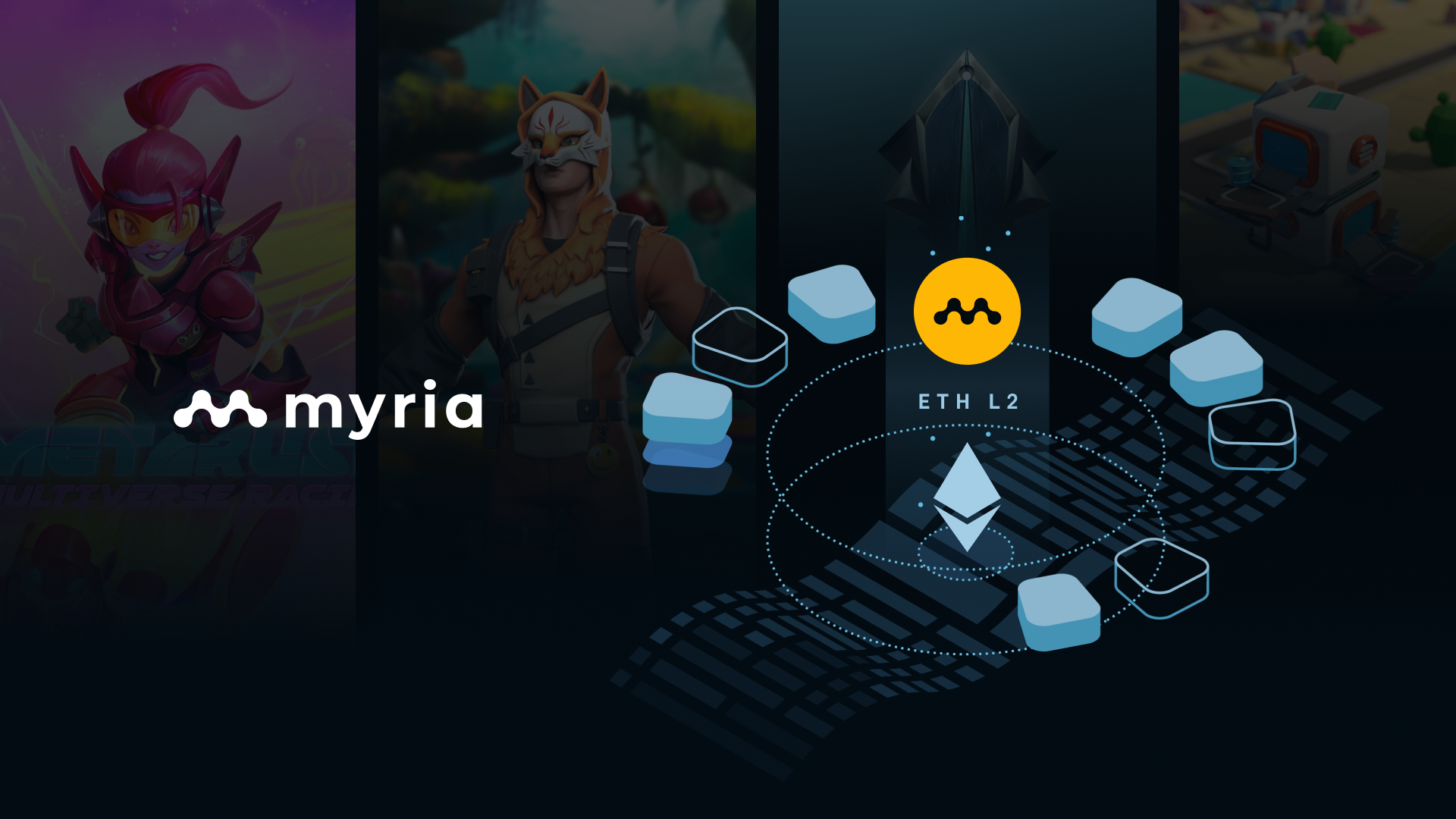
A decentralized gaming platform on Ethereum's Layer 2, leveraging ZK roll-up technology for instant transactions and complimentary NFT creation, featuring its inaugural game Metarush.